

How Many Miles Do New Hyundai Tires Last?
A large part of responsible car ownership is understanding the ins and outs of your vehicle. Routine maintenance can help extend its overall life. A solid set of tires is one of the central components to ensuring your vehicle is running properly. Whether you have new tires or are considering buying a new set of tires for your vehicle, there are several things you should know to help you stay informed as a vehicle owner. Learn about the typical lifespan of a set of new Hyundai tires and how to care for your tires properly.
How Many Miles Do New Hyundai Tires Typically Last?
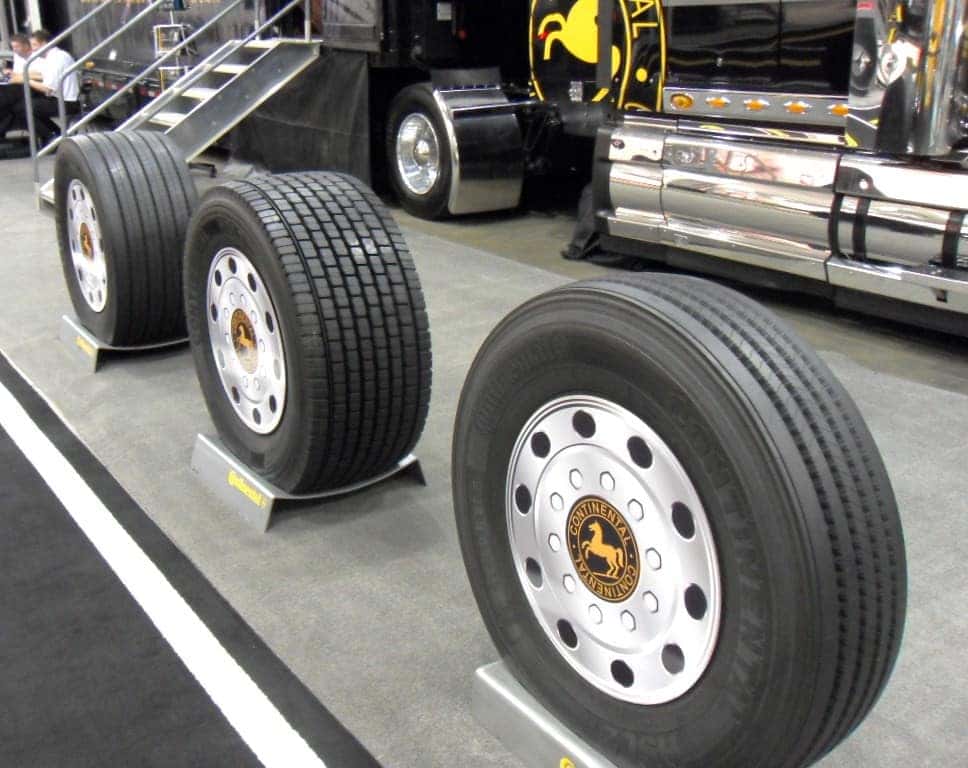
Tires by Tino Rossini is licensed with CC BY 2.0
Once you’ve committed to purchasing a new set of Hyundai tires, one of the first questions you’ll likely have is how long you can expect them to last. While there are many variables that will affect the wear and tear on your new set of tires, most new tires can last anywhere from 25,000 to 80,000 miles, with the average set typically lasting for about 50,000. Some aspects to consider when determining how long you can expect your tires to last will be:
- The type of tire you have.
- The initial treadwear rating.
- The drivetrain on your vehicle.
- Your driving style and typical terrain.
Once one tire starts to lose air, has a blowout, or is showing signs of age, it is typically a good idea to look at the condition of your other tires. Especially if you don’t replace all your tires simultaneously, it’s important to keep track of which tires are replaced and when.
Factors That Affect Tire Life Span
While a new set of tires is a valuable investment, you want to ensure that you stretch your money and make the tires last as long as possible. Here are some factors that will affect the overall life span of your tires.
The Difference Between Worn and Aged
Over time, tires naturally wear as they are driven and subjected to different road conditions, dusty terrain, or hot asphalt. When tires begin to lose their grip, it’s best to replace them with a new set. This will help protect your vehicle and secure you while driving. Using worn-out tires is hazardous and can lead to vehicle accidents. While some tires are used for daily commutes, others are on vehicles that are only used sporadically for recreation or heavy loads. Although these tires are not used daily, they will still show signs of aging.
Road Hazards
Certain conditions on the road can’t be avoided. Driving on roads that are in poor condition and have potholes and cracks or that are unpaved can cause damage to our tires. Issues such as tire misalignment and damage to the suspension can affect the condition of your tires.
Weather
Extreme temperatures and weather conditions like ice, rain, and snow can cause your tires to wear down quickly. If your area typically experiences these weather conditions, a set of tires that are designed to handle cold and wet terrain will help give traction on icy roads and provide a solid grip in rainy weather.
Driving Habits
Your individual driving habits also impact the wear and tear on your tires. If you take sharp corners, accelerate quickly, or tend to stop short, you place extra stress on your tires, which can cause them to wear quickly and sometimes unevenly.
Maintenance Habits
Routine maintenance practices, including maintaining the proper air pressure in your tires, having them rotated periodically, and following the maintenance suggested by the manufacturer, can extend the life of your tires. If you neglect to follow the suggested care, you may be in danger of shortening the life of your tires and possibly voiding any warranties they carry.
How to Care for Your Tires Properly
Consider the following tips to help you get the most out of your tires and stay safe on the road:
Check Your Tire Pressure
Although it may seem like a simple step, checking the tire pressure monthly can help extend the life of your tires. Because of outside temperature changes, the internal air pressure in your tires can fluctuate. Because the manufacturers set the recommended PSI (pound force per square inch) for your tires, your owner’s manual can give you the best PSI for your vehicle.
Balance the Tires
Tire manufacturing is not an exact science. Every tire has heavier sections that can result in uneven wear as you drive. Over time, you may start to feel the ride become a little more bumpy or wobbly. Having your tires balanced using a specialized machine with weights can give you a smoother ride and maintain even wear on your tires.
Rotate The Tires
Depending on their location on your vehicle, your tires will wear down differently. Aspects that affect this include whether your vehicle is front-wheel or rear-wheel drive, a tendency to bump curbs when you drive, or even how frequently you make right or left turns. Rotating the tires on your vehicle can help you use them more evenly.
Pay Attention to Size
It is important to use the correct size of tire on your vehicle. Additionally, you want to use the correct tire for the type of driving you’ll be doing. Although it may seem harmless to use off-roading tires on your daily commute, this can cause undue stress on other portions of your vehicle and wear down your tires quickly. Your tires should match the conditions you’ll be using them for.
So, there you have it. We’ve just shared valuable information with you regarding new Hyundai tires and how to care for this valuable investment. Properly maintaining your set of tires can provide you with accurate feedback on mileage, save money on gas, extend the life of your brakes, and keep you safe on the road. When you’re ready for some routine maintenance on your vehicle and need to get those tires rotated, let us know. Our vehicle care specialists will be happy to help you keep your vehicle or a new set of tires in the best condition possible.
0 comment(s) so far on How Many Miles Do New Hyundai Tires Last?